Understanding the Chemoport: A Safe and Reliable Access for Chemotherapy
When undergoing cancer treatment, especially chemotherapy, having a safe, durable, and comfortable way to administer medications is essential. This is where a chemoport comes in. For many cancer patients, it becomes a vital part of their treatment journey.
What Is a Chemoport?
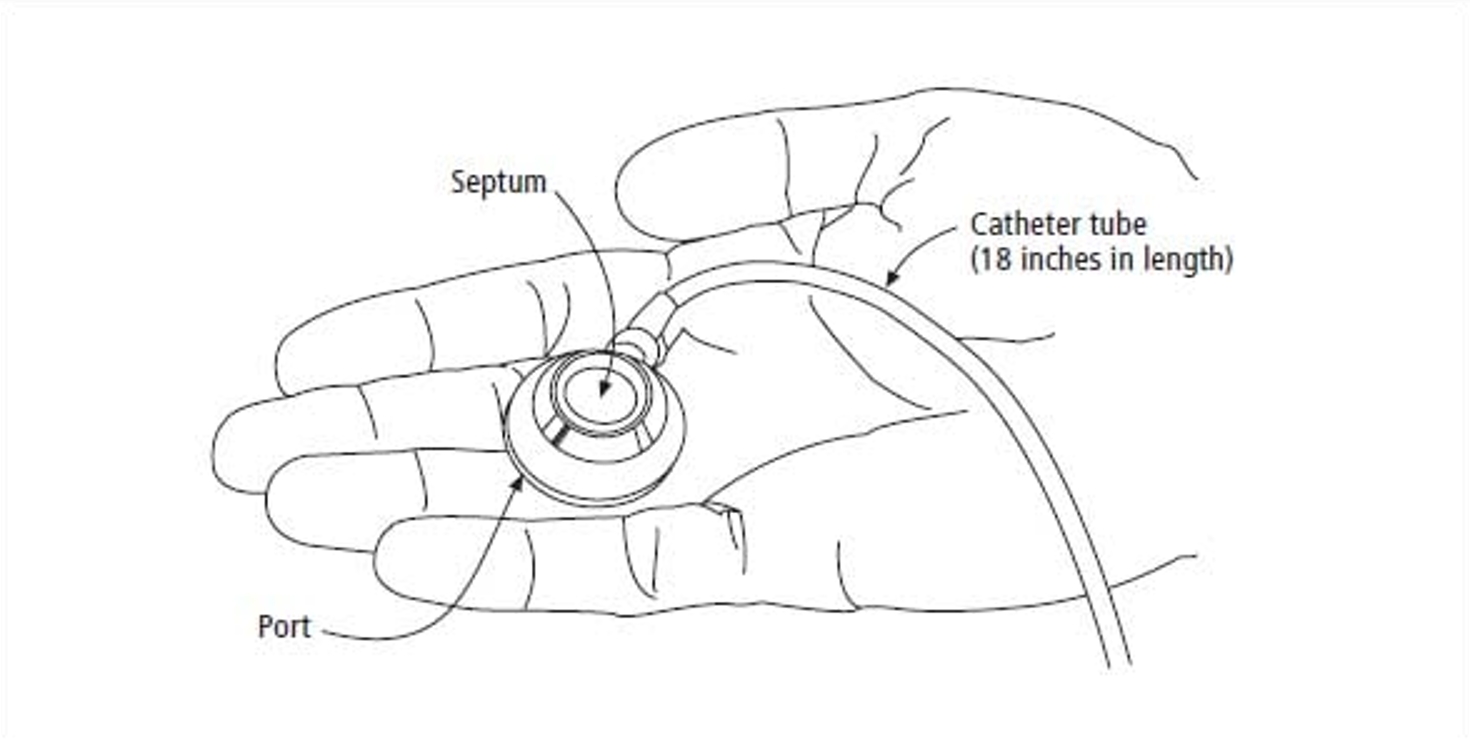
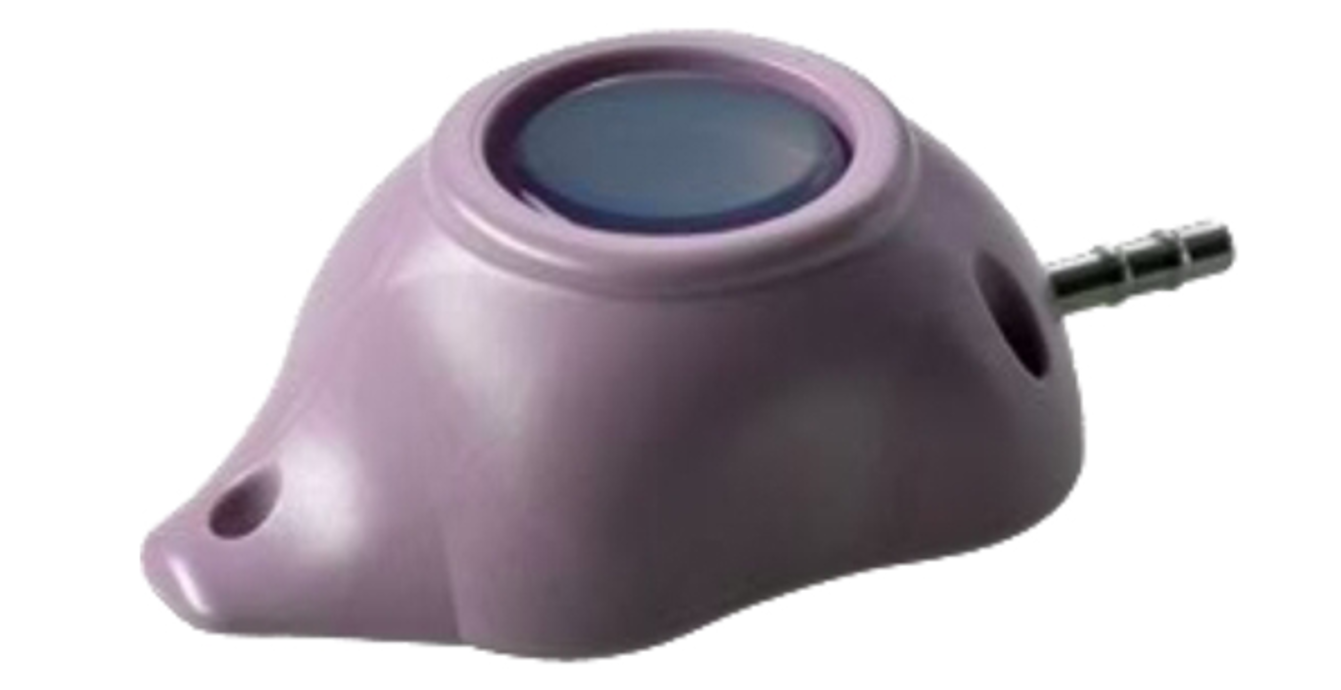
A chemoport (also called an implanted port or port-a-cath) is a small medical device placed under the skin, usually on the chest. It connects to a large vein and allows easy access to the bloodstream for giving chemotherapy and other medications.
It has two main parts:
- Port chamber: A small metal or plastic disc implanted under the skin.
- Catheter: A thin flexible tube that connects the chamber to a large vein, usually the superior vena cava.
Dr. Jayakarthik Y, Surgical Oncologist in Mysore, explains:
"For patients who require long-term chemotherapy, a chemoport provides a far more convenient and safer option than repeatedly poking veins with needles. It reduces pain and protects veins from damage."
Why Is a Chemoport Needed?
Repeated chemotherapy cycles via a peripheral IV line can:
- Cause pain due to frequent needle pricks
- Lead to vein damage or hardening (sclerosis)
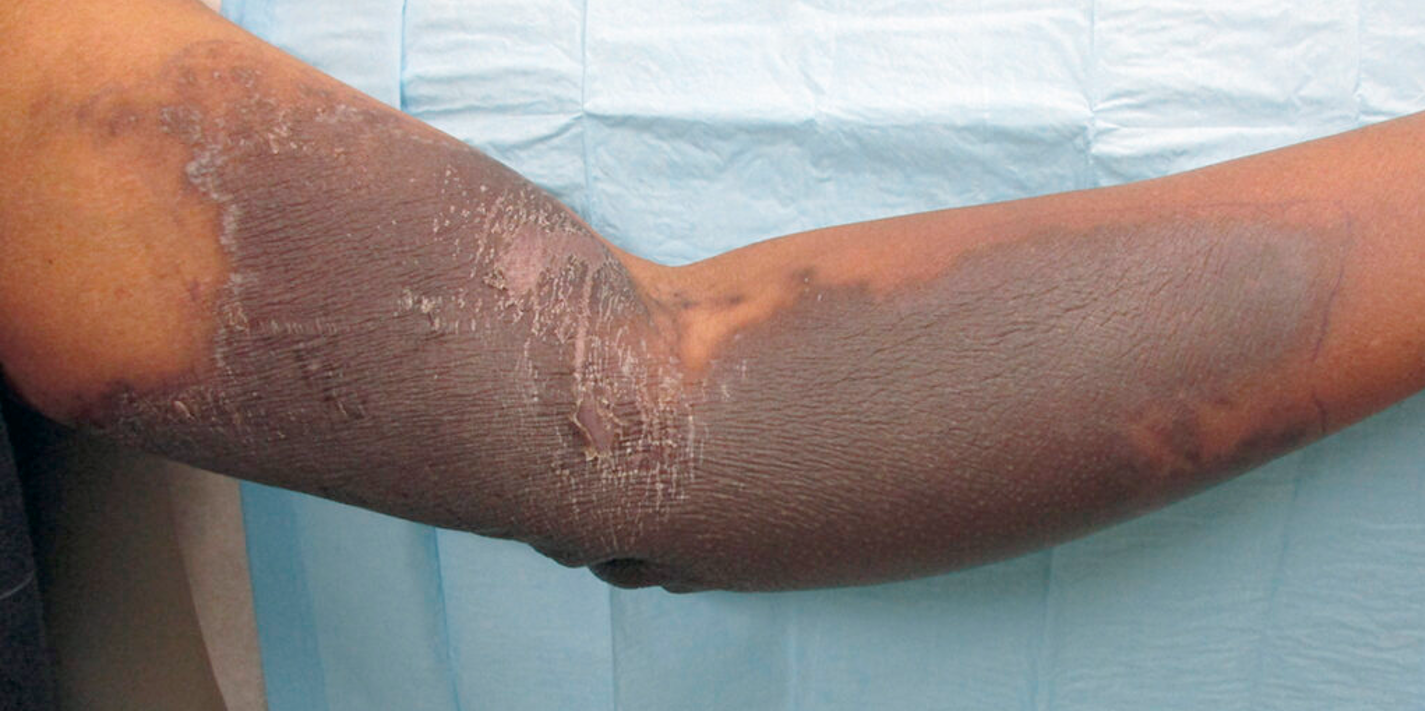
- Increase the risk of extravasation (chemotherapy leaking outside the vein, causing tissue injury)
- Result in missed or delayed treatment due to difficult vein access
A chemoport solves these issues by:
- ✅ Allowing easy and repeated access to a central vein
- ✅ Reducing the number of needle pricks
- ✅ Minimizing discomfort and complications
Dr. Jayakarthik Y adds:
"Some chemotherapy drugs are harsh and can cause severe damage if they leak outside the vein. A chemoport ensures that these drugs are delivered directly into the bloodstream safely."
Chemoport vs. Peripheral IV Line
| Feature | Chemoport | Peripheral IV Line |
|---|---|---|
| Vein damage risk | Low | High (with repeated use) |
| Pain from needle pricks | Minimal (after port access) | Frequent |
| Infection risk | Lower with proper care | Moderate to high |
| Duration of use | Months to years | A few days |
| Access to chemotherapy | More secure and reliable | Less secure for irritant drugs |
| Visibility | Hidden under the skin | Visible line on arm |
Advantages of a Chemoport Over Peripheral IV
"In my practice, I often recommend chemoports for patients receiving 6 or more cycles of chemotherapy, or those with poor peripheral veins," says Dr. Jayakarthik Y.
In Which Cancers Is a Chemoport Used?
Chemoports are used in a wide range of cancers requiring long-term chemotherapy, including:
- Breast cancer
- Colorectal cancer
- Lymphoma
- Leukemia
- Ovarian cancer
- Pancreatic cancer
- Sarcomas
It is especially recommended when chemotherapy is given weekly or over several months.
How Is a Chemoport Inserted?
Chemoport placement is a minor surgical procedure done under local or general anesthesia. It takes about 30–45 minutes.
- A small incision is made on the chest wall.
- The catheter is inserted into a major vein (usually subclavian or jugular).
- The port is placed under the skin and connected to the catheter.
- The incision is closed with sutures.
Patients can usually go home the same day or the next day.
Dr. Jayakarthik Y explains:
"It's a simple daycare procedure. Most patients are surprised by how small the incision is and how quickly they recover."
How to Maintain a Chemoport
Maintenance is important to avoid infection and blockages. Here's how it's done:
- Flushing: The port should be flushed with saline and heparin every 4–6 weeks if not in regular use.
- Dressing care: When accessed, the port is covered with a sterile dressing. This must be changed every 7 days.
- Hygiene: Basic personal hygiene is enough when the port is not accessed.
- Trained access: Only trained nurses or doctors should access the port using special non-coring needles.
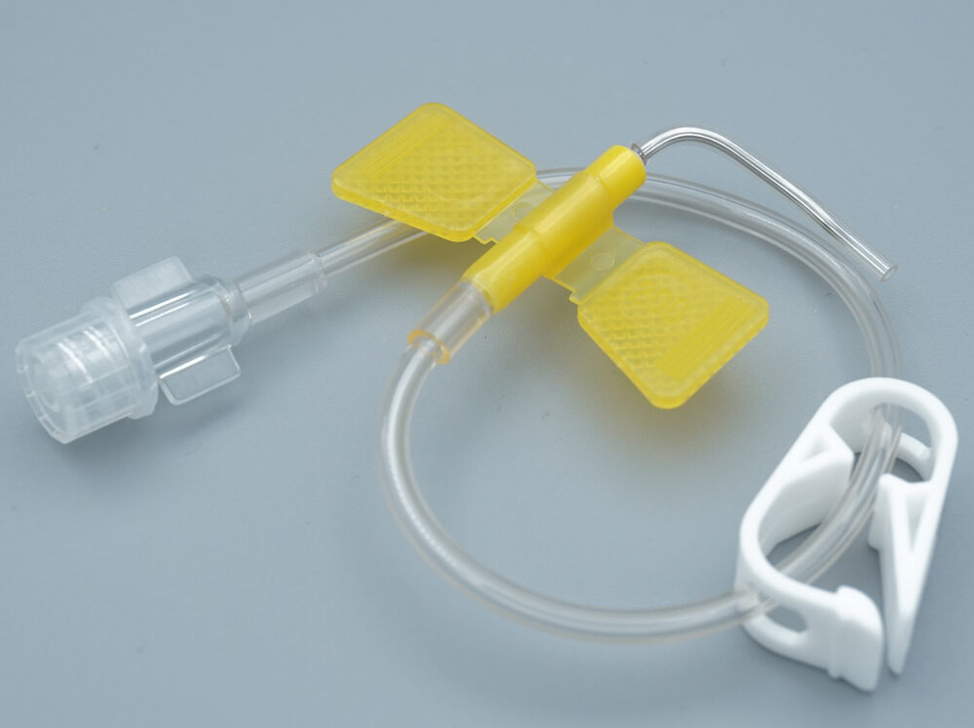
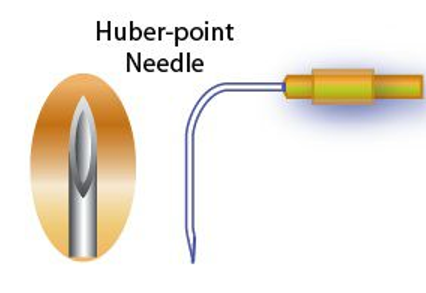
Huber needle with wings, catheter and clamp – is used to puncture the skin and access the port
Huber needle has a deflected tip which will not core and thus preserve integrity of silicone in a chemoport
I always educate patients and caregivers about port care. With proper technique, the risk of infection is very low," notes Dr. Jayakarthik Y.
When Should a Chemoport Be Removed?
The chemoport is removed once chemotherapy is completed and there is no further need for intravenous access.
- Removal is usually a short outpatient procedure.
- It can be done under local anesthesia.
- The scar fades over time.
"Some patients feel a strange attachment to the port—it becomes part of their journey. But removing it is often a sign that the hard part of treatment is behind them," says Dr. Jayakarthik Y.
Final Thoughts
A chemoport is a safe, reliable, and patient-friendly tool in modern cancer care. For anyone undergoing long-term chemotherapy, it dramatically improves the comfort and safety of treatment.
"For patients facing a tough road ahead, a chemoport makes the path just a little easier. It's one of those small interventions that offers huge comfort," concludes Dr. Jayakarthik Y.



How to Read a Breast Cancer Pathology Report: A Practical Guide for Clinicians

Is It a Mistake to Operate on Triple-Negative Breast Cancer Upfront?
Best Cancer Surgeon in Mysore – How to find one; 7 points Patients Should Know Before Choosing a Surgeon

10 Powerful Cancer prevention tips – A Doctor’s Guide to a Healthier Life