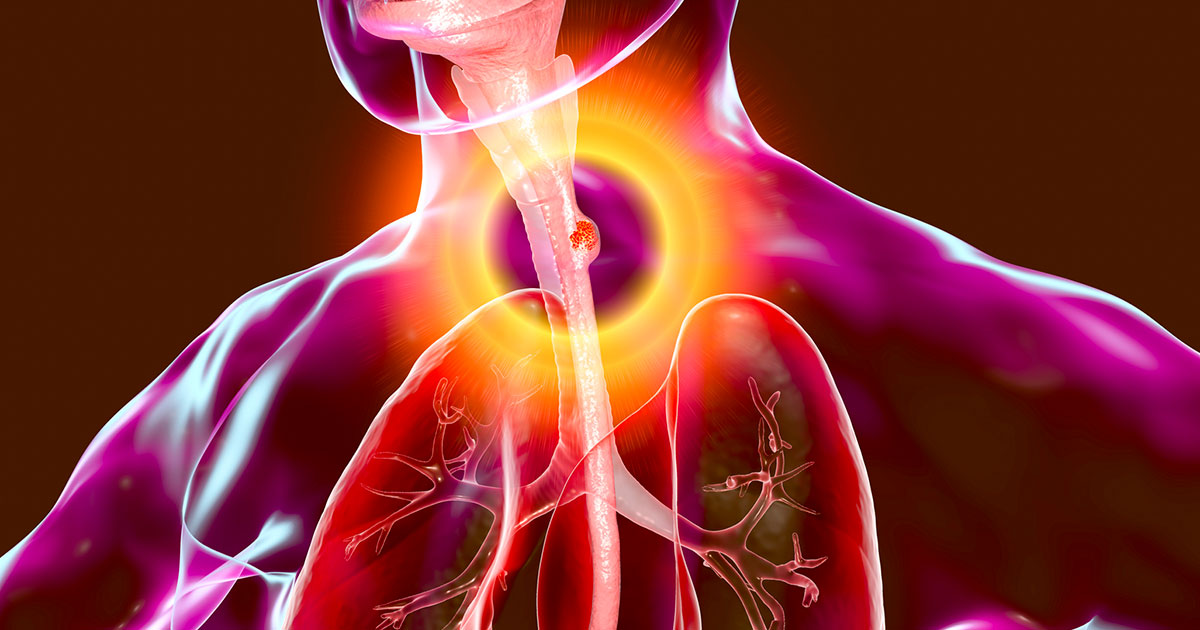
Esophagal Cancer
Esophageal cancer is a serious condition that develops in the esophagus — the long, hollow tube that carries food from the throat to the stomach. It is a potentially life-threatening disease, but early detection and modern treatment options can significantly improve survival rates.
Understanding the warning signs, risk factors, and available treatment options is essential for timely medical intervention.
What is Esophageal Cancer?
Esophageal cancer occurs when abnormal cells grow uncontrollably in the lining of the esophagus. Over time, these cells form a tumor that may block the passage of food and spread to nearby tissues or distant organs.
The esophagus plays a crucial role in digestion, making early symptoms often related to swallowing difficulties.
Types of Esophageal Cancer
There are two main types of esophageal cancer:
- Squamous Cell Carcinoma: This type develops in the flat cells lining the upper and middle parts of the esophagus. It is more common in regions with high tobacco and alcohol use.
- Adenocarcinoma: This type begins in glandular cells, usually in the lower part of the esophagus near the stomach. It is often associated with chronic acid reflux and Barrett's esophagus.
Both types differ in risk factors and treatment approaches.
Symptoms of Esophageal Cancer
Early-stage esophageal cancer may not cause noticeable symptoms. As the tumor grows, symptoms may include:
- Difficulty swallowing (dysphagia)
- Feeling of food stuck in the throat
- Unexplained weight loss
- Chest pain or discomfort
- Persistent heartburn or indigestion
- Chronic cough
- Hoarseness
- Vomiting (sometimes with blood)
Difficulty swallowing that progressively worsens should be evaluated immediately.
Causes and Risk Factors
Several factors increase the risk of esophageal cancer:
- Smoking and tobacco use
- Heavy alcohol consumption
- Chronic acid reflux (GERD)
- Barrett's esophagus
- Obesity
- Poor diet low in fruits and vegetables
- Drinking very hot beverages regularly
- Age over 50
- Male gender
Long-term irritation of the esophageal lining increases cancer risk.
Stages of Esophageal Cancer
Esophageal cancer is staged based on tumor size and spread:
- Stage I: Cancer confined to the inner layers of the esophagus.
- Stage II: Spread to deeper layers or nearby lymph nodes.
- Stage III: More extensive spread to surrounding tissues.
- Stage IV: Cancer has spread to distant organs such as the liver or lungs.
Early-stage diagnosis significantly improves treatment success.
Diagnosis of Esophageal Cancer
If esophageal cancer is suspected, doctors may recommend:
- Endoscopy: A flexible tube with a camera is inserted to examine the esophagus.
- Biopsy: A tissue sample is taken during endoscopy for laboratory analysis.
- Imaging Tests: CT scan, PET scan, and MRI help determine the stage and spread of cancer.
- Endoscopic Ultrasound: Provides detailed imaging of the esophageal wall and nearby lymph nodes.
Treatment Options for Esophageal Cancer
Treatment depends on the stage, tumor type, and patient's overall health.
- Surgery: Removal of part or all of the esophagus (esophagectomy) is common in early stages.
- Chemotherapy: Uses medications to destroy cancer cells, often before or after surgery.
- Radiation Therapy: High-energy beams target and kill cancer cells.
- Targeted Therapy: Focuses on specific cancer cell proteins.
- Immunotherapy: Boosts the immune system to fight cancer.
Combination therapy is often used for better outcomes.
Prevention of Esophageal Cancer
Although not all cases are preventable, risk can be reduced by:
- Quitting smoking
- Limiting alcohol consumption
- Managing acid reflux
- Maintaining a healthy weight
- Eating a diet rich in fruits and vegetables
- Seeking treatment for Barrett's esophagus
Early management of GERD reduces long-term risk.
Living with Esophageal Cancer
Esophageal cancer and its treatments may affect swallowing and nutrition. Patients may require:
- Nutritional counseling
- Soft or liquid diets
- Feeding tubes in advanced cases
- Emotional and psychological support
- Regular follow-up care
A multidisciplinary medical team ensures comprehensive care.
When to See a Doctor?
Consult a healthcare provider if you experience:
- Persistent difficulty swallowing
- Ongoing heartburn that does not improve
- Unexplained weight loss
- Chest pain or chronic cough
Early evaluation leads to better treatment outcomes.