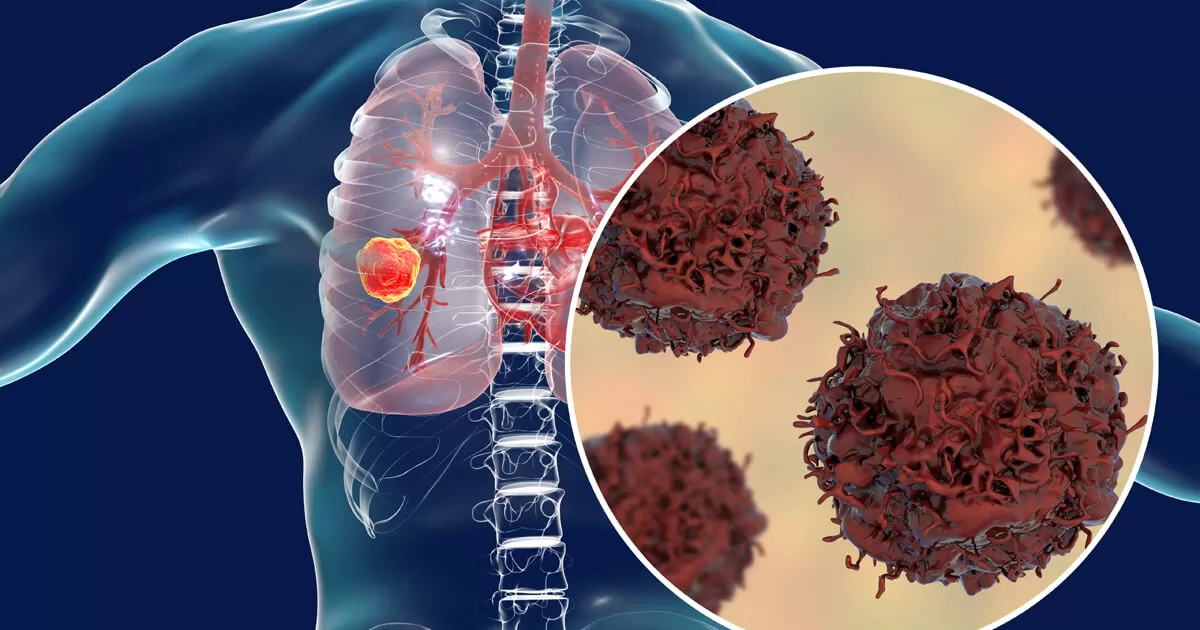
Lung Cancer
Lung cancer is one of the leading causes of cancer-related deaths worldwide. It develops when abnormal cells in the lungs grow uncontrollably, forming tumors that can interfere with normal breathing. Early detection and modern treatment options have significantly improved survival rates, especially when diagnosed at an early stage.
Understanding lung cancer symptoms, risk factors, and preventive measures can help save lives.
What is Lung Cancer?
Lung cancer begins in the cells lining the airways or other parts of the lungs. It can spread (metastasize) to lymph nodes and other organs such as the brain, liver, and bones if not treated early.
There are two main types of lung cancer:
- Non-Small Cell Lung Cancer (NSCLC): The most common type, accounting for about 80–85% of cases. It grows and spreads more slowly.
- Small Cell Lung Cancer (SCLC): A more aggressive form that spreads rapidly and is strongly associated with smoking.
Types of Lung Cancer
Non-Small Cell Lung Cancer Includes:
- Adenocarcinoma – Most common, often found in non-smokers.
- Squamous Cell Carcinoma – Linked to smoking, develops in central airways.
- Large Cell Carcinoma – Fast-growing and less common.
Small Cell Lung Cancer:
- Typically grows quickly and often spreads early.
Symptoms of Lung Cancer
Early-stage lung cancer may not cause noticeable symptoms. As the disease progresses, symptoms may include:
- Persistent cough
- Coughing up blood
- Chest pain
- Shortness of breath
- Hoarseness
- Unexplained weight loss
- Fatigue
- Recurrent lung infections (pneumonia or bronchitis)
If lung cancer spreads, additional symptoms such as headaches, bone pain, or swelling in the face and neck may occur.
Causes and Risk Factors
The primary cause of lung cancer is exposure to harmful substances, especially tobacco smoke.
Major Risk Factors:
- Smoking (including secondhand smoke)
- Exposure to radon gas
- Air pollution
- Asbestos exposure
- Family history of lung cancer
- Occupational exposure to harmful chemicals
Although smoking is the leading cause, non-smokers can also develop lung cancer.
Diagnosis of Lung Cancer
Early diagnosis improves treatment outcomes. If symptoms are present, doctors may recommend:
1. Imaging Tests
- Chest X-ray
- CT scan
- PET scan
2. Sputum Cytology: Examines mucus for cancer cells.
3. Biopsy: A tissue sample confirms cancer and identifies the type.
4. Molecular Testing: Identifies genetic mutations (such as EGFR, ALK) to guide targeted therapy.
Stages of Lung Cancer
Lung cancer is staged based on tumor size and spread:
- Stage I: Cancer limited to the lung.
- Stage II: Spread to nearby lymph nodes.
- Stage III: Advanced local spread.
- Stage IV: Cancer has spread to distant organs.
Staging helps determine the most appropriate treatment plan.
Treatment Options for Lung Cancer
Treatment depends on cancer type, stage, and overall health.
- Surgery - Removal of part or all of the affected lung. Best option for early-stage NSCLC.
- Chemotherapy - Uses drugs to destroy cancer cells.
- Radiation Therapy - High-energy beams target and kill cancer cells.
- Targeted Therapy - Focuses on specific genetic mutations in cancer cells.
- Immunotherapy - Boosts the immune system to fight cancer.
- Combination Therapy - Often, multiple treatments are combined for better results.
Advancements in targeted therapy and immunotherapy have improved survival rates significantly.
Prevention of Lung Cancer
While not all cases are preventable, risk can be reduced by:
- Quitting smoking
- Avoiding secondhand smoke
- Testing homes for radon
- Using protective equipment in hazardous workplaces
- Maintaining a healthy lifestyle
- Regular screening for high-risk individuals (low-dose CT scan)
Lung Cancer Screening
People at high risk (such as long-term smokers aged 50–80) may benefit from annual low-dose CT scans. Early detection can reduce mortality rates.
Consult a healthcare provider to determine eligibility for screening.
Living with Lung Cancer
A lung cancer diagnosis can be emotionally and physically challenging. Supportive care is essential and may include:
- Pain management
- Nutritional support
- Counseling
- Pulmonary rehabilitation
- Support groups
A multidisciplinary team approach ensures comprehensive care.
When to See a Doctor?
Seek medical attention if you experience:
- A cough lasting more than three weeks
- Blood in cough
- Persistent chest pain
- Unexplained weight loss
- Difficulty breathing
Early evaluation leads to better treatment outcomes.