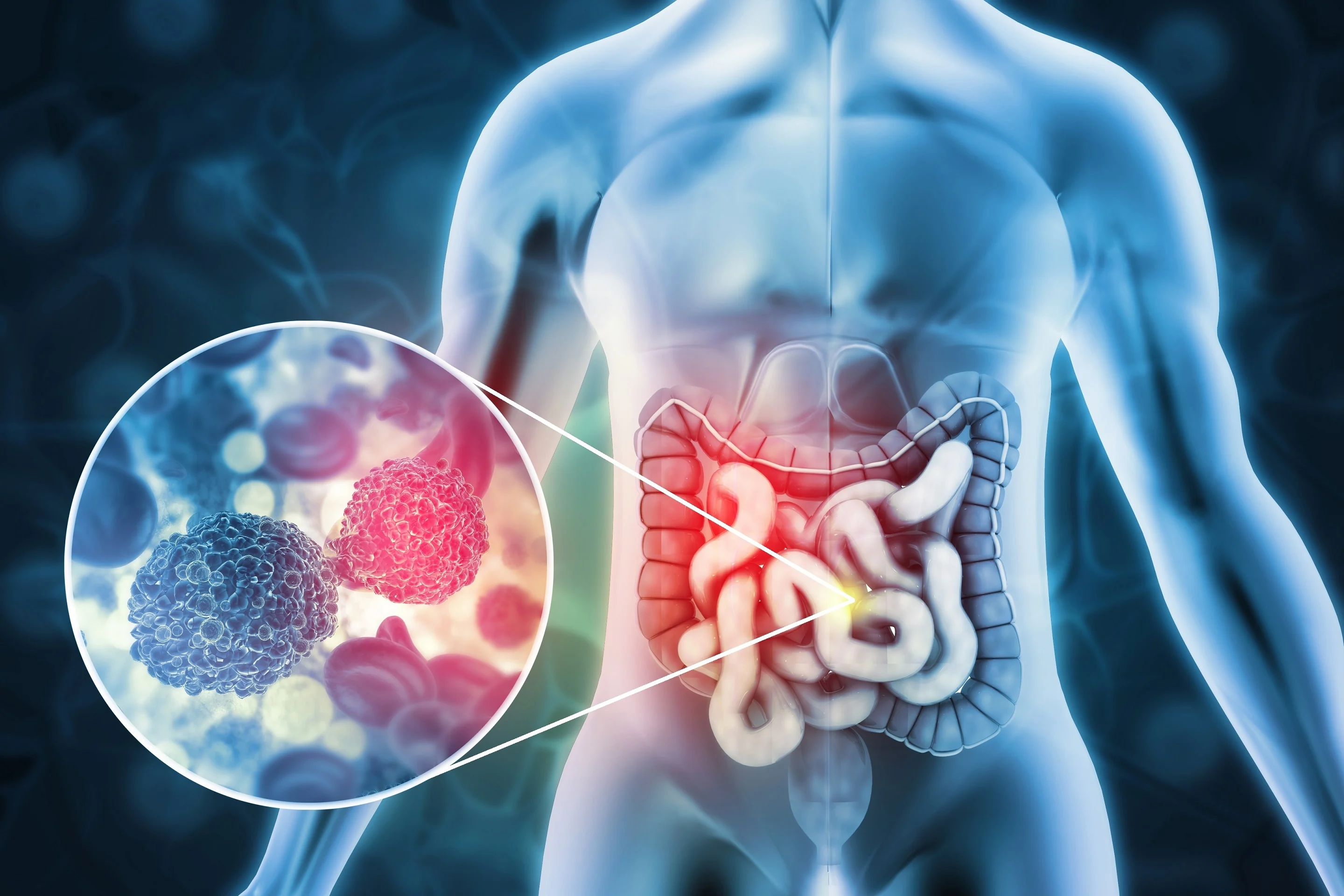
Colorectal Cancer
Colorectal cancer is a type of cancer that begins in the colon (large intestine) or rectum. It is one of the most common cancers worldwide, but it is also highly preventable and treatable when detected early. Regular screening plays a crucial role in reducing both the incidence and mortality of colorectal cancer.
Understanding the symptoms, risk factors, and treatment options can help individuals take proactive steps toward better health.
What is Colorectal Cancer?
Colorectal cancer develops from abnormal growths called polyps that form on the inner lining of the colon or rectum. Over time, some polyps can turn into cancer.
The colon and rectum are part of the digestive system, responsible for absorbing water and storing waste before elimination.
Types of Colorectal Cancer
The majority of colorectal cancers are:
- Adenocarcinoma: Accounts for about 95% of cases. It begins in the glandular cells lining the colon or rectum.
- Gastrointestinal Stromal Tumors (GIST): Rare tumors that develop in the connective tissues of the colon.
- Lymphoma: Cancer that originates in immune system cells within the colon.
- Neuroendocrine Tumors: Rare cancers that arise from hormone-producing cells.
Symptoms of Colorectal Cancer
Early-stage colorectal cancer may not cause symptoms, which is why screening is essential.
Common Symptoms:
- Change in bowel habits (diarrhea or constipation)
- Narrow stools
- Blood in stool (bright red or dark)
- Abdominal pain or cramping
- Feeling of incomplete bowel emptying
- Unexplained weight loss
- Fatigue or weakness
Persistent symptoms should not be ignored and require medical evaluation.
Causes and Risk Factors
Several factors increase the risk of developing colorectal cancer.
Major Risk Factors:
- Age over 45
- Family history of colorectal cancer or polyps
- Personal history of inflammatory bowel disease (Crohn's disease or ulcerative colitis)
- Diet high in red or processed meat
- Low-fiber diet
- Obesity
- Smoking
- Excessive alcohol consumption
- Sedentary lifestyle
Genetic conditions like Lynch syndrome and Familial Adenomatous Polyposis (FAP) also increase risk.
Stages of Colorectal Cancer
Colorectal cancer is staged from Stage 0 to Stage IV:
- Stage 0: Cancer confined to the inner lining.
- Stage I: Tumor has grown into deeper layers but not spread.
- Stage II: Cancer has spread through the wall of the colon.
- Stage III: Spread to nearby lymph nodes.
- Stage IV: Cancer has spread to distant organs such as the liver or lungs.
Early-stage colorectal cancer has a high survival rate with proper treatment.
Diagnosis of Colorectal Cancer
Screening and diagnostic tests include:
- Colonoscopy: The most effective test. A flexible tube examines the entire colon and removes polyps if found.
- Stool-Based Tests: Detect hidden blood or abnormal DNA in stool.
- CT Colonography: A special imaging test to view the colon.
- Biopsy: A tissue sample confirms cancer diagnosis.
Early screening can detect precancerous polyps before they turn into cancer.
Treatment Options for Colorectal Cancer
Treatment depends on the stage and overall health of the patient.
- Surgery: Primary treatment for early-stage cancer. Involves removal of the tumor and nearby lymph nodes.
- Chemotherapy: Uses drugs to destroy cancer cells, often after surgery.
- Radiation Therapy: Commonly used for rectal cancer to shrink tumors.
- Targeted Therapy: Focuses on specific cancer cell proteins.
- Immunotherapy: Boosts the immune system to fight cancer cells.
Combination therapy often improves treatment outcomes.
Prevention of Colorectal Cancer
Colorectal cancer is highly preventable with proper measures:
- Regular screening starting at age 45 (or earlier if high-risk)
- Eating a high-fiber diet
- Limiting red and processed meats
- Maintaining a healthy weight
- Regular physical activity
- Avoiding smoking
- Limiting alcohol intake
Removing polyps during colonoscopy prevents cancer from developing.
Screening Guidelines
- Average-risk individuals: Begin screening at age 45.
- Colonoscopy: Every 10 years (if results are normal).
- Stool tests: Annually (if colonoscopy not done).
- High-risk individuals: May need earlier and more frequent screening.
Consult your healthcare provider for personalized screening recommendations.
Living with Colorectal Cancer
A diagnosis can affect both physical and emotional health. Patients should:
- Follow treatment plans carefully
- Maintain a nutritious diet
- Stay physically active
- Seek counseling or support groups
- Attend regular follow-up visits
Support from healthcare professionals and family plays a vital role in recovery.
When to See a Doctor?
Seek medical attention if you experience:
- Persistent changes in bowel habits
- Blood in stool
- Ongoing abdominal discomfort
- Unexplained weight loss
- Chronic fatigue
Early detection significantly increases survival rates.