Kidney Cancer
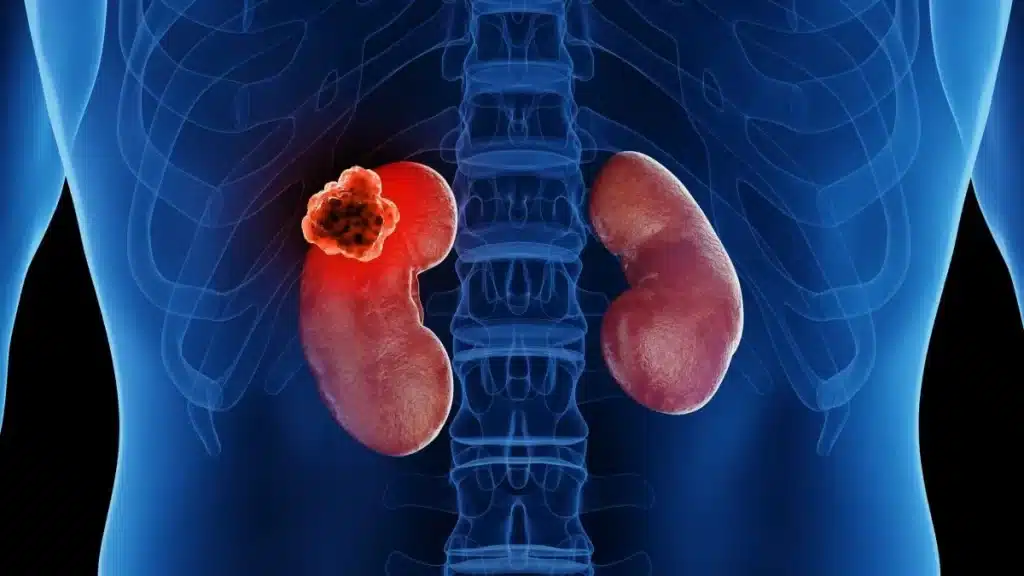
Kidney cancer is a type of cancer that begins in the cells of the kidneys. The kidneys are two bean-shaped organs located on either side of the spine, just below the rib cage. Their main function is to filter waste from the blood, produce urine, and maintain fluid and electrolyte balance in the body.
The most common form of kidney cancer in adults is renal cell carcinoma (RCC), which accounts for the majority of cases. According to the World Health Organization, early detection of kidney cancer significantly improves treatment outcomes and survival rates.
Types of Kidney Cancer
1. Renal Cell Carcinoma (RCC)
The most common type of kidney cancer in adults. It begins in the lining of the kidney's small tubes that filter blood.
2. Transitional Cell Carcinoma
This type begins in the lining of the renal pelvis where urine collects before moving to the bladder.
3. Wilms Tumor
A rare type of kidney cancer that primarily affects children.
4. Renal Sarcoma
A very rare cancer that develops in the connective tissues of the kidney.
Symptoms of Kidney Cancer
Kidney cancer may not cause noticeable symptoms in early stages. As the tumor grows, patients may experience:
- Blood in the urine (hematuria)
- Persistent pain in the side or lower back
- Lump or mass in the abdomen
- Unexplained weight loss
- Fatigue or weakness
- Fever that comes and goes
- Loss of appetite
If you notice blood in your urine or persistent pain in the side, it is important to consult a doctor.
Causes and Risk Factors
The exact cause of kidney cancer is not always known, but certain factors increase the risk.
Common Risk Factors:
- Smoking
- Obesity
- High blood pressure
- Family history of kidney cancer
- Long-term dialysis
- Exposure to certain chemicals
- Genetic conditions
Kidney cancer is more common in men and usually occurs after the age of 50.
How Is Kidney Cancer Diagnosed?
Doctors use several tests to diagnose kidney cancer.
1. Imaging Tests
- Ultrasound
- CT scan
- MRI
These tests help detect tumors and determine their size and location.
2. Urine and Blood Tests
Blood tests evaluate kidney function, while urine tests may detect blood or abnormal cells.
3. Biopsy
In some cases, a small tissue sample is taken to confirm the diagnosis.
Early detection through imaging tests often helps identify kidney cancer before symptoms appear.
Stages of Kidney Cancer
Kidney cancer is categorized into stages depending on how far it has spread.
- Stage I: Tumor confined to the kidney and small in size
- Stage II: Larger tumor but still limited to the kidney
- Stage III: Cancer spreads to nearby lymph nodes or tissues
- Stage IV: Cancer spreads to distant organs such as lungs, bones, or liver
Treatment decisions depend on the stage of cancer.
Treatment Options for Kidney Cancer
1. Surgery
Surgery is the primary treatment for most kidney cancers.
Types of Surgery:
- Partial Nephrectomy: Removal of only the tumor while preserving the kidney
- Radical Nephrectomy: Removal of the entire kidney and surrounding tissue
Minimally invasive techniques such as laparoscopic or robotic surgery are commonly used.
2. Targeted Therapy
Targeted therapy uses drugs that specifically attack cancer cells by blocking certain proteins involved in tumor growth. These treatments are often used for advanced kidney cancer.
3. Immunotherapy
Immunotherapy boosts the body's immune system to recognize and destroy cancer cells. It is commonly used for advanced or metastatic kidney cancer.
4. Radiation Therapy
Radiation therapy may be used to relieve symptoms when cancer has spread to other organs, such as bones or brain.
5. Ablation Therapy
For small tumors, procedures like radiofrequency ablation or cryoablation can destroy cancer cells without removing the kidney.
Recovery and Follow-Up
After treatment, regular follow-up is essential to monitor for recurrence.
Patients may need:
- Periodic imaging tests
- Blood tests
- Routine physical examinations
Lifestyle modifications such as maintaining a healthy weight, avoiding smoking, and staying physically active can support long-term health.
Prevention Tips
While kidney cancer cannot always be prevented, risk can be reduced by:
- Avoiding smoking
- Maintaining a healthy body weight
- Controlling high blood pressure
- Eating a balanced diet
- Staying physically active
Regular health check-ups also help detect problems early.
When to See a Doctor
Seek medical attention if you experience:
- Blood in the urine
- Persistent flank or back pain
- Unexplained weight loss
- Fatigue and weakness
- Lump in the abdominal area
Early evaluation can lead to early diagnosis and better treatment outcomes.