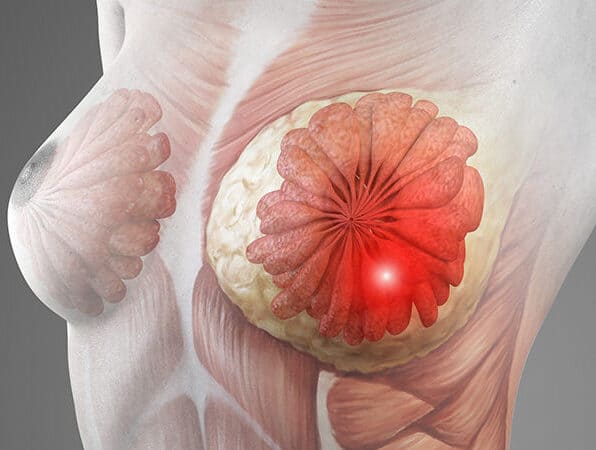
Breast Cancer
Breast cancer is one of the most common cancers affecting women worldwide. Early detection, proper diagnosis, and advanced treatment options have significantly improved survival rates. Understanding breast cancer symptoms, risk factors, and prevention strategies can help individuals take timely action and protect their health.
What is Breast Cancer?
Breast cancer occurs when abnormal cells in the breast grow uncontrollably and form a tumor. These cancerous cells may begin in the milk ducts (ductal carcinoma) or in the milk-producing glands called lobules (lobular carcinoma). If not treated early, breast cancer can spread to nearby tissues and other parts of the body, a process known as metastasis. Although it is more common in women, men can also develop breast cancer.
Types of Breast Cancer
- Ductal Carcinoma: The most common type, starting in the milk ducts. Includes Ductal Carcinoma In Situ (DCIS) and Invasive Ductal Carcinoma (IDC).
- Lobular Carcinoma: Begins in the lobules and can be invasive or non-invasive.
- Triple-Negative Breast Cancer: A more aggressive form that does not have estrogen, progesterone, or HER2 receptors.
- HER2-Positive Breast Cancer: Characterized by excess HER2 protein, often treated with targeted therapy.
- Inflammatory Breast Cancer: A rare and aggressive form that causes redness and swelling of the breast.
Signs and Symptoms of Breast Cancer
Early-stage breast cancer may not cause noticeable symptoms. Regular self-exams and screenings are crucial. Common signs include:
- A lump in the breast or underarm
- Change in breast size or shape
- Nipple discharge (other than breast milk)
- Inverted nipple
- Skin dimpling or puckering
- Redness or thickening of breast skin
- Persistent breast pain
If you notice any unusual changes, consult a healthcare professional immediately.
Causes and Risk Factors
The exact cause of breast cancer is unknown, but several factors increase the risk:
Non-Modifiable Risk Factors: Gender (female), increasing age, family history of breast cancer, genetic mutations (BRCA1 and BRCA2), early menstruation, or late menopause.
Modifiable Risk Factors: Obesity, lack of physical activity, excessive alcohol consumption, hormone replacement therapy, and smoking. Adopting a healthy lifestyle can help reduce the risk.
Breast Cancer Screening and Diagnosis
Early detection significantly improves treatment outcomes. Screening methods include:
- Breast Self-Examination (BSE): Monthly self-exams to check for lumps or abnormalities.
- Clinical Breast Exam: Performed by a healthcare provider during routine check-ups.
- Mammography: A low-dose X-ray that detects early signs of breast cancer.
- Ultrasound and MRI: Used for further evaluation if abnormalities are detected.
- Biopsy: A tissue sample is taken to confirm whether a lump is cancerous.
Stages of Breast Cancer
Breast cancer is classified from Stage 0 to Stage IV, which determines the treatment plan and prognosis:
- Stage 0: Non-invasive cancer (DCIS)
- Stage I: Small tumor confined to the breast
- Stage II & III: Larger tumor or spread to nearby lymph nodes
- Stage IV: Cancer has spread to distant organs (metastatic breast cancer)
Breast Cancer Treatment Options
Treatment depends on the type, stage, and overall health of the patient:
- Surgery: Lumpectomy (removal of tumor) or Mastectomy (removal of one or both breasts)
- Chemotherapy: Uses drugs to kill cancer cells.
- Radiation Therapy: High-energy rays target and destroy cancer cells.
- Hormone Therapy: Blocks hormones that fuel certain types of breast cancer.
- Targeted Therapy: Specifically targets cancer cell proteins like HER2.
- Immunotherapy: Helps the immune system fight cancer cells.
Modern treatments are highly personalized and often combine multiple therapies for better outcomes.
Prevention Tips for Breast Cancer
While not all cases can be prevented, certain steps reduce risk:
- Maintain a healthy weight
- Exercise regularly
- Limit alcohol consumption
- Avoid smoking
- Breastfeed if possible
- Get regular mammograms after age 40 (or as advised)
- Know your family history
Preventive genetic testing may be recommended for individuals with a strong family history.
Living with Breast Cancer
A breast cancer diagnosis can be emotionally challenging. Support from family, friends, healthcare providers, and cancer support groups plays a vital role in recovery. Patients are encouraged to follow the prescribed treatment plan, attend regular follow-up appointments, maintain a nutritious diet, manage stress through meditation or counseling, and stay physically active as advised. Early-stage breast cancer has a high survival rate when treated promptly.
When to See a Doctor?
Consult a healthcare professional if you experience a new breast lump, unexplained nipple discharge, changes in breast skin, or persistent breast pain. Early consultation ensures timely diagnosis and better treatment outcomes.