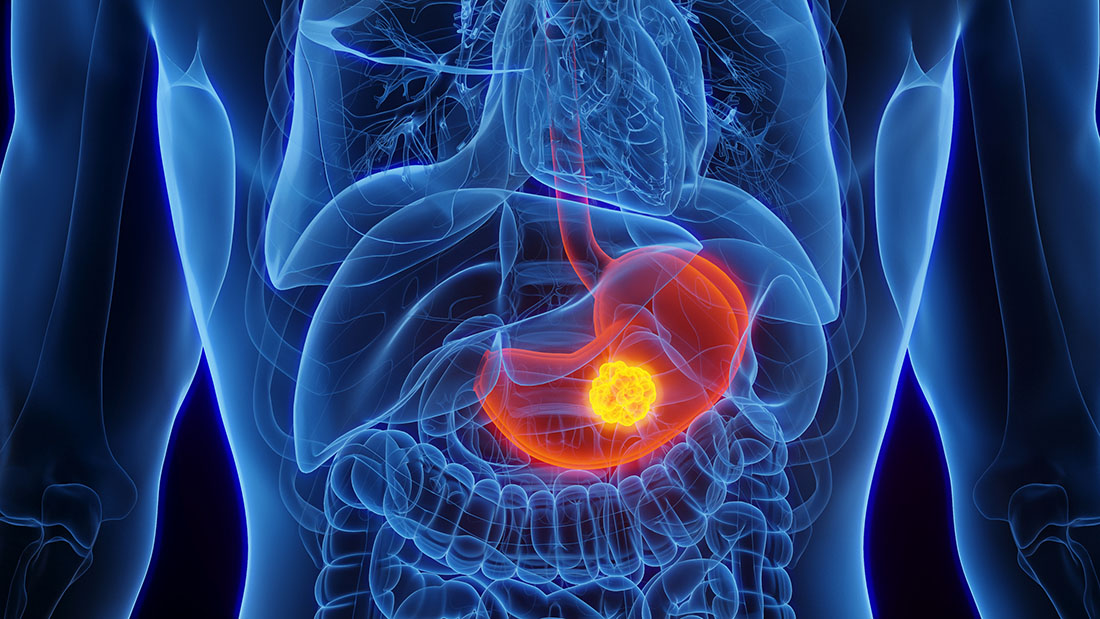
Stomach Cancer
Stomach cancer, also known as gastric cancer, develops in the lining of the stomach. It is one of the most common cancers worldwide, especially in certain regions of Asia. Although early-stage stomach cancer may not cause noticeable symptoms, early detection significantly improves treatment outcomes.
Understanding the warning signs, risk factors, and available treatments can help individuals take timely medical action.
What is Stomach Cancer?
Stomach cancer occurs when abnormal cells in the stomach lining grow uncontrollably and form a tumor. Most stomach cancers begin in the inner lining (mucosa) and gradually spread to deeper layers of the stomach wall.
The disease often develops slowly over several years, sometimes starting as precancerous changes.
Types of Stomach Cancer
Several types of stomach cancer exist, depending on the type of cells involved:
- Adenocarcinoma: The most common type (about 90–95% of cases). It starts in the mucus-producing cells of the stomach lining.
- Gastrointestinal Stromal Tumors (GIST): Develop in special nerve cells within the stomach wall.
- Lymphoma: Cancer of the immune system cells found in the stomach.
- Neuroendocrine Tumors: Rare tumors arising from hormone-producing cells in the stomach.
Symptoms of Stomach Cancer
Early-stage stomach cancer may cause mild or vague symptoms that are often mistaken for common digestive problems.
Early Symptoms:
- Indigestion or heartburn
- Mild stomach discomfort
- Bloating after eating
- Loss of appetite
- Nausea
Advanced Symptoms:
- Unexplained weight loss
- Persistent abdominal pain
- Vomiting (sometimes with blood)
- Difficulty swallowing
- Blood in stool (black or tarry stool)
- Fatigue and weakness (due to anemia)
If symptoms persist for more than a few weeks, consult a healthcare provider.
Causes and Risk Factors
The exact cause of stomach cancer is not fully understood, but several risk factors increase the likelihood of developing the disease.
Major Risk Factors:
- Infection with Helicobacter pylori (H. pylori)
- Smoking
- Diet high in salty, smoked, or processed foods
- Low intake of fruits and vegetables
- Family history of stomach cancer
- Chronic gastritis
- Pernicious anemia
- Previous stomach surgery
- Obesity
Long-term inflammation of the stomach lining increases cancer risk.
Stages of Stomach Cancer
Stomach cancer is staged based on how deeply the tumor has invaded and whether it has spread.
- Stage 0: Cancer limited to the inner lining.
- Stage I: Tumor confined to the stomach.
- Stage II–III: Spread to nearby lymph nodes or deeper layers.
- Stage IV: Spread to distant organs such as the liver or lungs.
Early-stage diagnosis offers better treatment success.
Diagnosis of Stomach Cancer
If stomach cancer is suspected, doctors may perform:
- Endoscopy: A thin tube with a camera is inserted into the stomach to examine abnormalities.
- Biopsy: A small tissue sample is taken during endoscopy for laboratory testing.
- Imaging Tests: CT scan, MRI, and PET scan help determine the stage of cancer.
- Blood Tests: May reveal anemia or other abnormalities.
Treatment Options for Stomach Cancer
Treatment depends on the cancer stage, type, and overall health of the patient.
- Surgery: The main treatment for early-stage stomach cancer. Includes partial gastrectomy (removal of part of the stomach) or total gastrectomy (removal of the entire stomach).
- Chemotherapy: Uses drugs to kill cancer cells, often given before or after surgery.
- Radiation Therapy: High-energy rays destroy cancer cells.
- Targeted Therapy: Drugs that specifically attack cancer cell proteins.
- Immunotherapy: Boosts the immune system to fight cancer.
Often, a combination of treatments provides the best outcome.
Prevention of Stomach Cancer
While not all cases are preventable, risk can be reduced by:
- Treating H. pylori infection
- Eating a diet rich in fresh fruits and vegetables
- Reducing salty and processed foods
- Quitting smoking
- Maintaining a healthy weight
- Regular medical checkups for high-risk individuals
Healthy lifestyle choices play an important role in prevention.
Living with Stomach Cancer
Stomach cancer and its treatments may affect eating habits and digestion. Patients are encouraged to:
- Follow dietary guidance from healthcare providers
- Eat smaller, frequent meals
- Take nutritional supplements if needed
- Seek emotional support
- Attend regular follow-up appointments
A multidisciplinary team approach ensures comprehensive care.
When to See a Doctor?
Consult a healthcare provider if you experience:
- Persistent stomach pain
- Difficulty swallowing
- Unexplained weight loss
- Ongoing indigestion
- Blood in vomit or stool
Early medical evaluation improves survival chances.