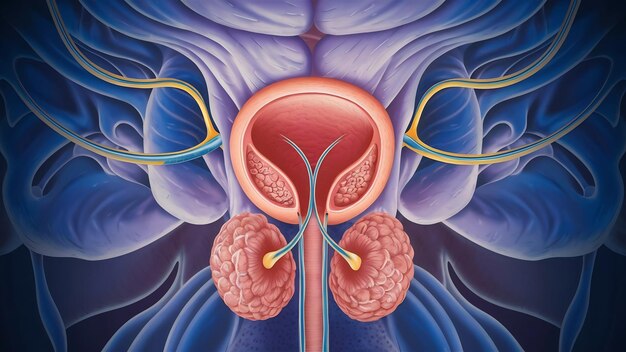
Prostate Cancer
Prostate cancer is one of the most common cancers affecting men worldwide. It develops in the prostate gland — a small, walnut-shaped gland located below the bladder that produces seminal fluid. While some prostate cancers grow slowly and may not cause serious harm, others are aggressive and require immediate treatment.
Early detection through screening significantly improves treatment outcomes and survival rates.
What is Prostate Cancer?
Prostate cancer occurs when abnormal cells in the prostate gland grow uncontrollably and form a tumor. In many cases, the cancer grows slowly and remains confined to the prostate. However, aggressive forms can spread to nearby tissues, lymph nodes, and distant organs such as bones.
Regular screening helps detect prostate cancer at an early stage.
Types of Prostate Cancer
Most prostate cancers are:
- Adenocarcinoma: The most common type, developing from glandular cells in the prostate.
- Small Cell Carcinoma: A rare and aggressive form.
- Neuroendocrine Tumors: Rare tumors that develop from hormone-producing cells.
- Transitional Cell Carcinoma: Begins in the cells lining the urethra.
Adenocarcinoma accounts for the vast majority of cases.
Symptoms of Prostate Cancer
Early-stage prostate cancer often has no noticeable symptoms. As the disease progresses, symptoms may include:
- Frequent urination, especially at night
- Difficulty starting or stopping urination
- Weak or interrupted urine flow
- Pain or burning during urination
- Blood in urine or semen
- Erectile dysfunction
- Pain in hips, back, or chest (if cancer spreads)
- Unexplained weight loss
If urinary problems persist, consult a healthcare provider.
Causes and Risk Factors
The exact cause of prostate cancer is unknown, but several factors increase risk.
Major Risk Factors:
- Age over 50
- Family history of prostate cancer
- Genetic mutations (such as BRCA1 or BRCA2)
- African ancestry
- Obesity
- Diet high in red meat and high-fat dairy products
Risk increases significantly with age.
Stages of Prostate Cancer
Prostate cancer is staged based on tumor size and spread:
- Stage I: Cancer confined to the prostate and small in size.
- Stage II: Cancer still within the prostate but larger or more aggressive.
- Stage III: Spread to nearby tissues.
- Stage IV: Spread to lymph nodes, bones, or other organs.
The Gleason score is also used to measure how aggressive the cancer cells appear under a microscope.
Diagnosis of Prostate Cancer
- Prostate-Specific Antigen (PSA) Test: A blood test that measures PSA levels. High PSA may indicate prostate cancer.
- Digital Rectal Exam (DRE): A physical examination of the prostate gland.
- Biopsy: Confirms the presence of cancer cells.
- Imaging Tests: MRI, CT scan, or bone scan help determine cancer spread.
Early detection through PSA screening can identify cancer before symptoms appear.
Treatment Options for Prostate Cancer
Treatment depends on the stage, aggressiveness, and overall health of the patient.
- Active Surveillance: Monitoring slow-growing cancer without immediate treatment.
- Surgery (Prostatectomy): Removal of the prostate gland.
- Radiation Therapy: High-energy rays destroy cancer cells.
- Hormone Therapy: Reduces testosterone levels that fuel cancer growth.
- Chemotherapy: Used for advanced or aggressive cancer.
- Targeted Therapy & Immunotherapy: Advanced treatments for specific cases.
Many patients with early-stage prostate cancer have excellent long-term outcomes.
Prevention of Prostate Cancer
There is no guaranteed way to prevent prostate cancer, but risk may be reduced by:
- Maintaining a healthy weight
- Eating a balanced diet rich in fruits and vegetables
- Regular physical activity
- Limiting red meat consumption
- Routine health checkups after age 50 (or earlier if high-risk)
Discuss screening options with your healthcare provider.
Screening Guidelines
Men aged 50 and older should discuss PSA screening with their doctor.
Men at high risk (family history or African ancestry) may begin screening at age 45.
Screening decisions should be personalized.
Early detection significantly improves survival rates.
Living with Prostate Cancer
A prostate cancer diagnosis can affect physical and emotional health. Patients may experience side effects such as urinary issues or sexual dysfunction after treatment.
Supportive care includes:
- Pelvic floor exercises
- Counseling
- Nutritional guidance
- Regular follow-up appointments
Most men with localized prostate cancer live long, healthy lives after treatment.
When to See a Doctor?
Consult a healthcare provider if you experience:
- Persistent urinary difficulties
- Blood in urine or semen
- Unexplained bone pain
- Elevated PSA levels
Early evaluation can lead to timely treatment and better outcomes.