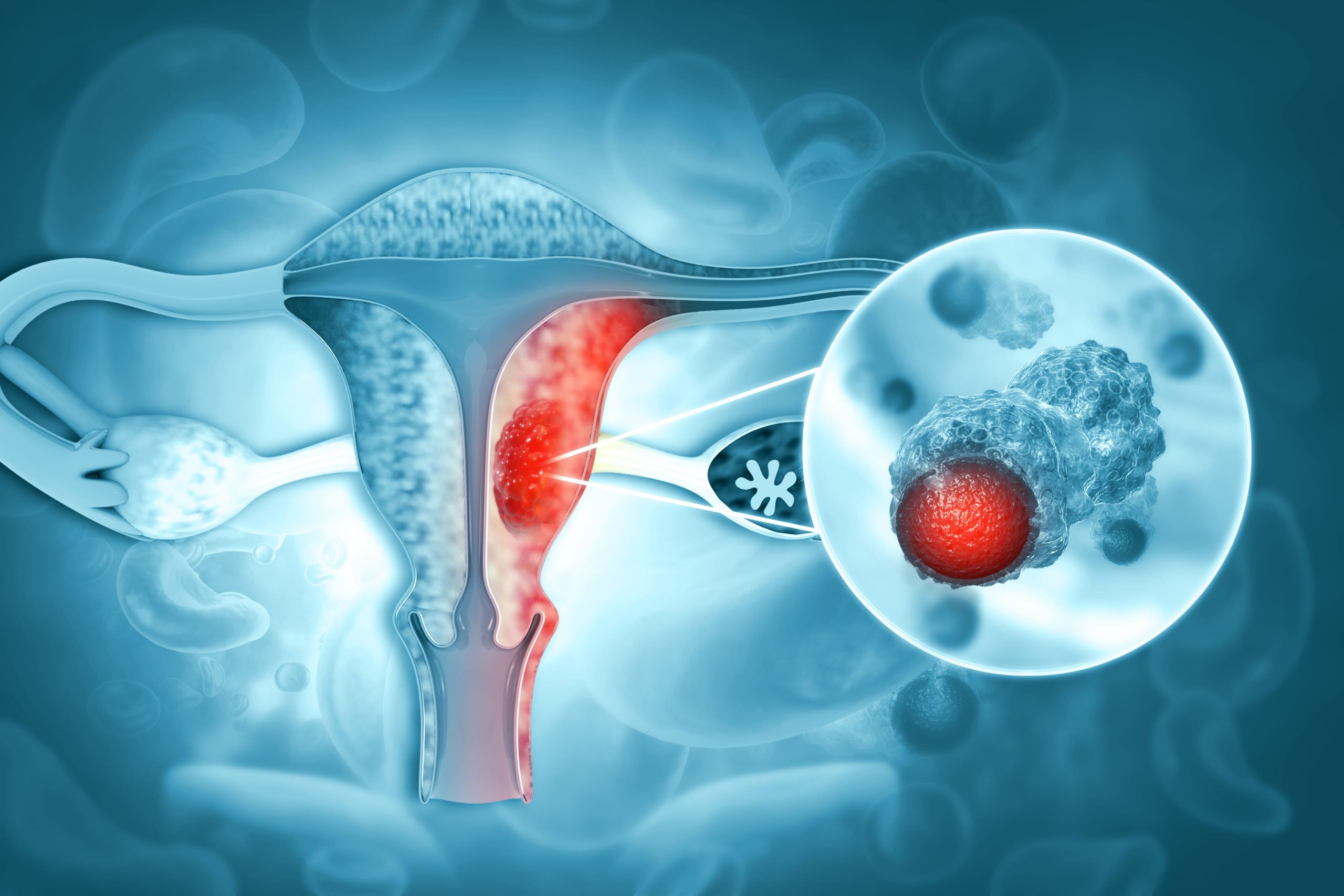
Ovarian Cancer
Ovarian cancer is a type of cancer that begins in the ovaries — the female reproductive organs responsible for producing eggs and hormones such as estrogen and progesterone. It is often called a "silent killer" because symptoms are usually mild and difficult to detect in the early stages.
Early diagnosis significantly improves survival rates, making awareness and regular health check-ups extremely important.
What is Ovarian Cancer?
Ovarian cancer develops when abnormal cells in the ovaries grow uncontrollably and form a tumor. In some cases, cancer may also begin in the fallopian tubes or the lining of the abdomen (peritoneum) and behave similarly to ovarian cancer.
Because the ovaries are located deep in the pelvis, early tumors may not cause noticeable symptoms.
Types of Ovarian Cancer
Ovarian cancer is classified based on the type of cells where it begins.
- Epithelial Ovarian Cancer: The most common type (about 90% of cases). It starts in the outer lining of the ovary.
- Germ Cell Tumors: Develop from the cells that produce eggs. More common in younger women.
- Stromal Tumors: Arise from hormone-producing connective tissue cells.
Each type may require a different treatment approach.
Symptoms of Ovarian Cancer
Early symptoms are often vague and may resemble common digestive issues.
Common Symptoms:
- Persistent bloating
- Pelvic or abdominal pain
- Feeling full quickly while eating
- Frequent urge to urinate
- Changes in bowel habits (constipation)
- Unexplained weight loss
- Fatigue
- Back pain
If these symptoms persist for more than two weeks, medical evaluation is recommended.
Causes and Risk Factors
The exact cause of ovarian cancer is unknown, but several factors increase risk.
Major Risk Factors:
- Age over 50
- Family history of ovarian or breast cancer
- BRCA1 or BRCA2 gene mutations
- Personal history of breast cancer
- Endometriosis
- Never having been pregnant
- Hormone replacement therapy
- Obesity
Genetic factors play a significant role in some cases.
Stages of Ovarian Cancer
Ovarian cancer is staged based on how far it has spread.
- Stage I: Cancer confined to one or both ovaries.
- Stage II: Spread to nearby pelvic organs.
- Stage III: Spread to abdominal lining or lymph nodes.
- Stage IV: Spread to distant organs such as the liver or lungs.
Early-stage detection offers a better prognosis.
Diagnosis of Ovarian Cancer
Because early symptoms are subtle, diagnosis often involves multiple tests:
- Pelvic Examination: Physical examination to detect abnormalities.
- Ultrasound: Transvaginal ultrasound helps visualize ovarian masses.
- Blood Tests: CA-125 tumor marker test may indicate ovarian cancer.
- CT Scan or MRI: Used to determine tumor spread.
- Biopsy: Confirms diagnosis through tissue analysis.
There is currently no highly effective routine screening test for ovarian cancer in average-risk women.
Treatment Options for Ovarian Cancer
Treatment depends on the cancer stage, type, and overall health of the patient.
- Surgery: Primary treatment involves removal of ovaries, fallopian tubes, uterus, and visible tumors.
- Chemotherapy: Given after surgery to destroy remaining cancer cells.
- Targeted Therapy: Drugs that target specific cancer cell pathways, especially in patients with BRCA mutations.
- Immunotherapy: Helps the immune system fight cancer cells.
Combination therapy is common for advanced stages.
Prevention of Ovarian Cancer
While not all cases can be prevented, certain measures may reduce risk:
- Genetic counseling and testing for high-risk individuals
- Oral contraceptive use (may lower risk)
- Maintaining a healthy weight
- Pregnancy and breastfeeding (may reduce risk)
- Preventive surgery for women with high genetic risk
Discuss preventive options with a healthcare provider if you have a strong family history.
Living with Ovarian Cancer
Ovarian cancer treatment can affect physical and emotional well-being. Patients should:
- Follow treatment and follow-up schedules
- Maintain a balanced diet
- Stay physically active as advised
- Seek emotional support or counseling
- Join cancer support groups
Long-term monitoring is essential to detect recurrence early.
When to See a Doctor?
Consult a healthcare provider if you experience:
- Persistent bloating
- Ongoing pelvic pain
- Difficulty eating
- Frequent urination without infection
- Unexplained weight changes
Do not ignore symptoms that persist or worsen.