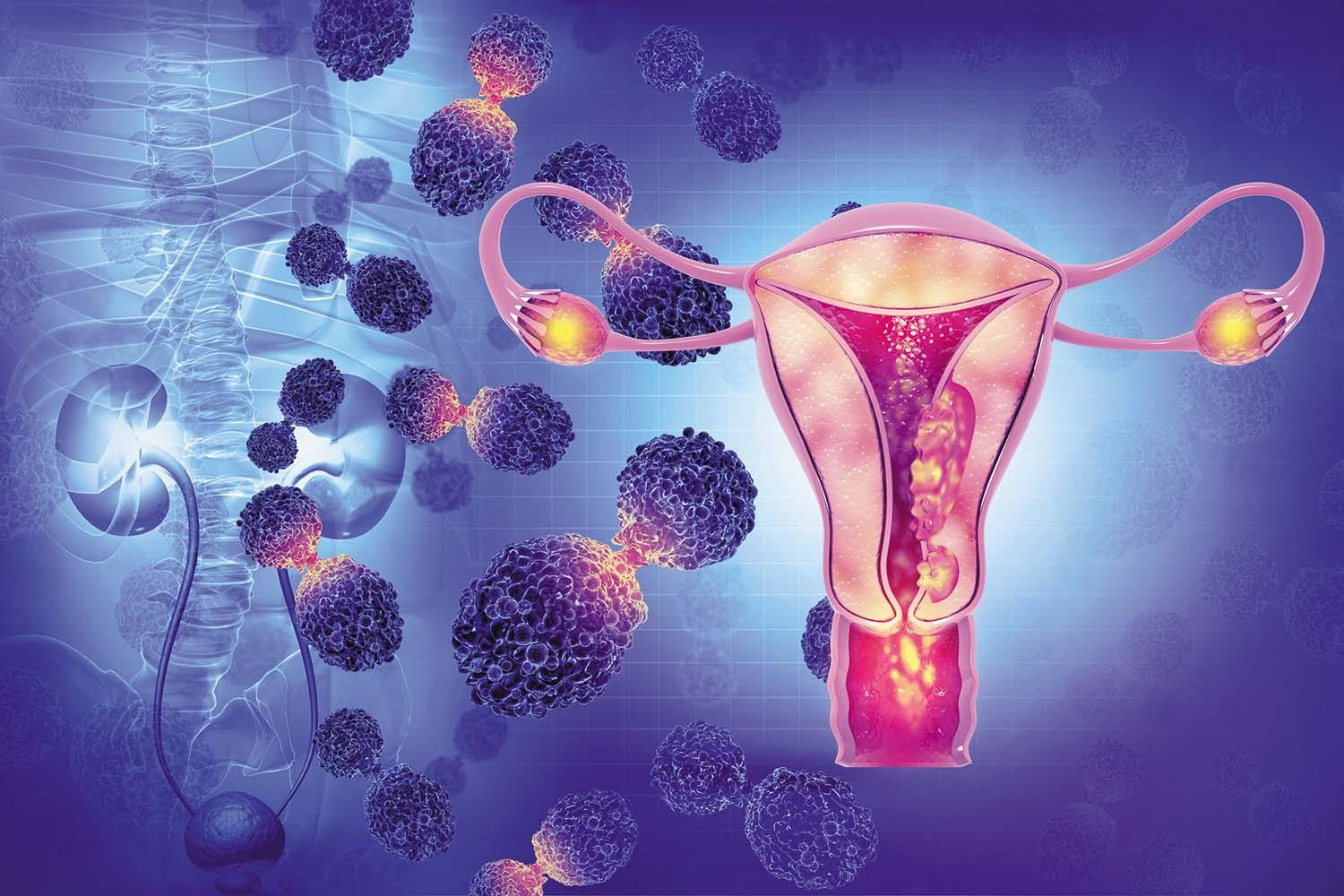
Gynecological Cancer
Gynecological cancer refers to cancers that develop in the female reproductive organs. These include the cervix, ovaries, uterus, vagina, and vulva. Each type of cancer has different symptoms, risk factors, and treatment approaches.
According to the World Health Organization, gynecological cancers are a significant health concern for women worldwide, but early detection and timely treatment can greatly improve survival rates.
Regular gynecological check-ups, screening tests, and awareness of symptoms are essential for early diagnosis.
Types of Gynecological Cancer
1. Cervical Cancer
Cervical cancer develops in the cervix, the lower part of the uterus that connects to the vagina.
Risk Factors
- Infection with Human Papillomavirus (HPV)
- Early sexual activity
- Multiple sexual partners
- Smoking
- Weak immune system
Symptoms
- Abnormal vaginal bleeding
- Bleeding after intercourse
- Pelvic pain
- Unusual vaginal discharge
Regular Pap smear screening can detect cervical cancer early.
2. Ovarian Cancer
Ovarian cancer begins in the ovaries, which produce eggs and female hormones.
Symptoms
- Abdominal bloating
- Pelvic pain
- Difficulty eating or feeling full quickly
- Frequent urination
Because symptoms are subtle, ovarian cancer is often diagnosed in advanced stages.
3. Uterine (Endometrial) Cancer
This cancer begins in the lining of the uterus (endometrium).
Symptoms
- Abnormal uterine bleeding
- Bleeding after menopause
- Pelvic pain
- Unusual discharge
It is one of the most common gynecologic cancers and often detected early.
4. Vaginal Cancer
A rare cancer that forms in the vaginal tissues.
Symptoms
- Vaginal bleeding not related to menstruation
- Pain during intercourse
- Pelvic pain
- Vaginal lump
5. Vulvar Cancer
This cancer develops in the external female genital area.
Symptoms
- Persistent itching
- Skin changes
- Pain or tenderness
- Lump or ulcer in the vulva
Common Symptoms of Gynecological Cancers
- Abnormal vaginal bleeding
- Pelvic or abdominal pain
- Bloating
- Unexplained weight loss
- Fatigue
- Pain during intercourse
- Changes in menstrual cycles
If these symptoms persist, it is important to consult a gynecologist.
Risk Factors
Certain factors increase the risk of gynecological cancers:
- Human Papillomavirus (HPV) infection
- Family history of cancer
- Obesity
- Smoking
- Hormonal imbalance
- Increasing age
- Genetic mutations (such as BRCA genes)
Regular screening and vaccination against HPV can significantly reduce the risk of some cancers.
How Are Gynecological Cancers Diagnosed?
Doctors use several tests for diagnosis:
- Physical and Pelvic Examination: A doctor examines the reproductive organs for abnormalities.
- Pap Smear Test: Detects abnormal cervical cells.
- Imaging Tests: Ultrasound, CT scan, MRI, and PET scan.
- Biopsy: A small tissue sample is taken to confirm cancer.
Early diagnosis greatly improves treatment success.
Treatment Options
Treatment depends on the type, stage, and overall health of the patient.
- Surgery: Often the main treatment and may include removal of tumor, uterus (hysterectomy), ovaries, and lymph nodes.
- Chemotherapy: Uses drugs to kill cancer cells, before surgery to shrink tumors, after surgery to reduce recurrence, or for advanced cancer.
- Radiation Therapy: Uses high-energy rays to destroy cancer cells, either external or internal (brachytherapy).
- Targeted Therapy: Attacks specific molecules that help cancer grow with fewer side effects than traditional chemotherapy.
- Immunotherapy: Helps the body's immune system fight cancer and may be used for advanced or recurrent cancers.
Prevention Tips
While not all cancers can be prevented, risk can be reduced by:
- HPV vaccination
- Regular Pap smear tests
- Maintaining a healthy weight
- Avoiding smoking
- Practicing safe sexual habits
- Regular gynecological check-ups
Prevention and early screening play a crucial role in women's health.
When to See a Doctor
Consult a healthcare professional if you experience:
- Persistent pelvic pain
- Abnormal vaginal bleeding
- Unusual discharge
- Long-term bloating
- Any lump or growth in the genital area
Early evaluation can detect problems before they become serious.