Understanding the Chemoport: A Safe and Reliable Access for Chemotherapy
When undergoing cancer treatment, especially chemotherapy, having a safe, durable, and comfortable way to administer medications is essential. This is where a chemoport comes in. For many cancer patients, it becomes a vital part of their treatment journey.
🔍 What Is a Chemoport?
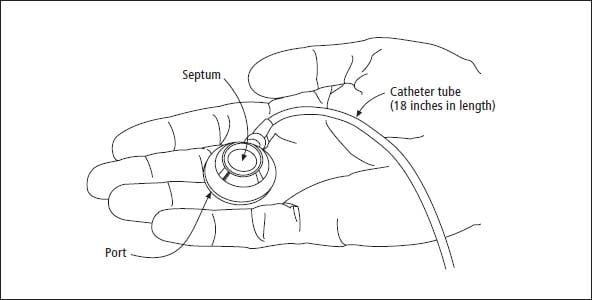
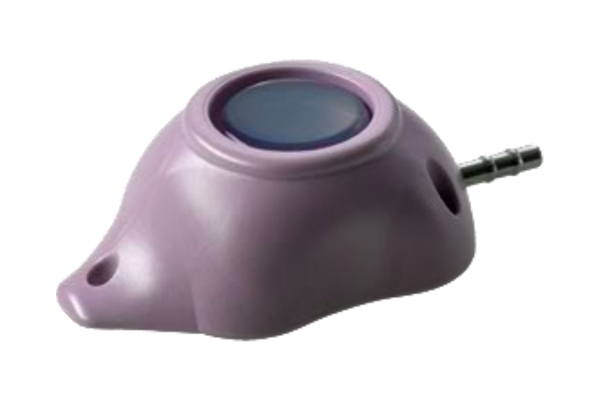
A chemoport (also called an implanted port or port-a-cath) is a small medical device placed under the skin, usually on the chest. It connects to a large vein and allows easy access to the bloodstream for giving chemotherapy and other medications.
It has two main parts:
Port chamber: A small metal or plastic disc implanted under the skin.
Catheter: A thin flexible tube that connects the chamber to a large vein, usually the superior vena cava.
Dr. Jayakarthik Y, Surgical Oncologist in Mysore, explains: “For patients who require long-term chemotherapy, a chemoport provides a far more convenient and safer option than repeatedly poking veins with needles. It reduces pain and protects veins from damage.”
🎯 Why Is a Chemoport Needed?
Repeated chemotherapy cycles via a peripheral IV line can:
Cause pain due to frequent needle pricks
Lead to vein damage or hardening (sclerosis)
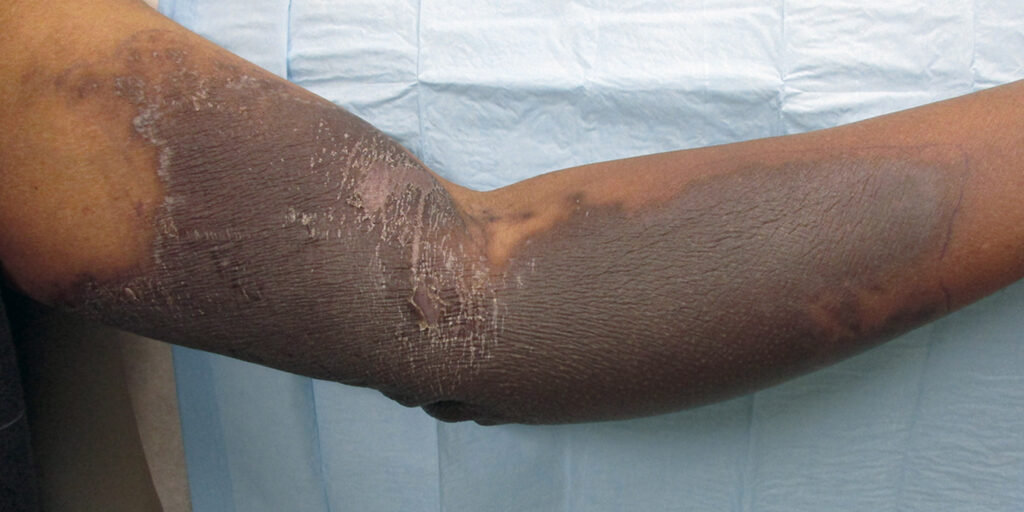
Increase the risk of extravasation (chemotherapy leaking outside the vein, causing tissue injury)
Result in missed or delayed treatment due to difficult vein access
Docetaxel extravasation: Pathologic correlation and treatment with intralesional steroids Roman, John W. et al. JAAD Case Reports, Volume 3, Issue 4, 322 – 325
A chemoport solves these issues by:
Allowing easy and repeated access to a central vein
Reducing the number of needle pricks
Minimizing discomfort and complications
Dr. Jayakarthik Y adds: “Some chemotherapy drugs are harsh and can cause severe damage if they leak outside the vein. A chemoport ensures that these drugs are delivered directly into the bloodstream safely.”
✅ Advantages of a Chemoport Over Peripheral IV
Feature
Chemoport
Peripheral IV Line
Vein damage risk
Low
High (with repeated use)
Pain from needle pricks
Minimal (after port access)
Frequent
Infection risk
Lower with proper care
Moderate to high
Duration of use
Months to years
A few days
Access to chemotherapy
More secure and reliable
Less secure for irritant drugs
Visibility
Hidden under the skin
Visible line on arm
“In my practice, I often recommend chemoports for patients receiving 6 or more cycles of chemotherapy, or those with poor peripheral veins,” says Dr. Jayakarthik Y.
🩺 In Which Cancers Is a Chemoport Used?
Chemoports are used in a wide range of cancers requiring long-term chemotherapy, including:
Breast cancer
Colorectal cancer
Lymphoma
Leukemia
Ovarian cancer
Pancreatic cancer
Sarcomas
It is especially recommended when chemotherapy is given weekly or over several months.
🛠️ How Is a Chemoport Inserted?
Chemoport placement is a minor surgical procedure done under local or general anesthesia. It takes about 30–45 minutes.
A small incision is made on the chest wall.
The catheter is inserted into a major vein (usually subclavian or jugular).
The port is placed under the skin and connected to the catheter.
The incision is closed with sutures.
Patients can usually go home the same day or the next day.
Dr. Jayakarthik Y explains: “It’s a simple daycare procedure. Most patients are surprised by how small the incision is and how quickly they recover.”
🧼 How to Maintain a Chemoport
Maintenance is important to avoid infection and blockages. Here’s how it’s done:
Flushing: The port should be flushed with saline and heparin every 4–6 weeks if not in regular use.
Dressing care: When accessed, the port is covered with a sterile dressing. This must be changed every 7 days.
Hygiene: Basic personal hygiene is enough when the port is not accessed.
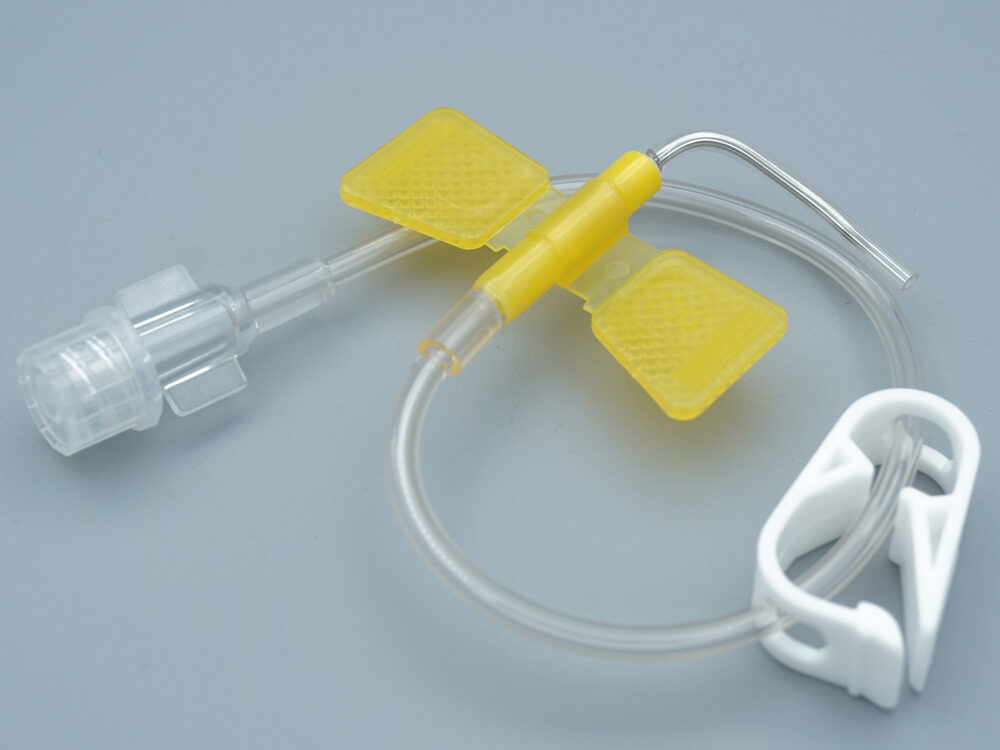
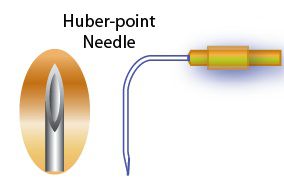
Trained access: Only trained nurses or doctors should access the port using special non-coring needles.
Huber needle with wings, catheter and clamp – is used to puncture the skin and access the port
Huber needle has a deflected tip which will not core and thus preserve integrity of silicone in a chemoport
“I always educate patients and caregivers about port care. With proper technique, the risk of infection is very low,” notes Dr. Jayakarthik Y.
❌ When Should a Chemoport Be Removed?
The chemoport is removed once chemotherapy is completed and there is no further need for intravenous access.
Removal is usually a short outpatient procedure.
It can be done under local anesthesia.
The scar fades over time.
“Some patients feel a strange attachment to the port—it becomes part of their journey. But removing it is often a sign that the hard part of treatment is behind them,” says Dr. Jayakarthik Y.
💡 Final Thoughts
A chemoport is a safe, reliable, and patient-friendly tool in modern cancer care. For anyone undergoing long-term chemotherapy, it dramatically improves the comfort and safety of treatment.
“For patients facing a tough road ahead, a chemoport makes the path just a little easier. It’s one of those small interventions that offers huge comfort,” concludes Dr. Jayakarthik Y.